Juliane Koepcke Fell Two Miles From the Sky and Walked Out

Juliane Koepcke fell about 3,000 metres out of the sky on Christmas Eve in 1971. She stayed strapped into her airplane seat as the world broke apart around her, yet she woke up alive on the ground. She was just 17 years old, alone in the green heart of the Peruvian rainforest, and she had to find a way out.
The short answer to how she did it comes down to sheer will and quiet knowledge. She listened for moving water, walked down trickling streams until they grew into rivers, and refused to give up. It took ten days of walking, swimming, and fighting off bugs before woodcutters found her in a tiny shelter.
The Fall From 3,000 Metres Up
Imagine sitting next to your mother on a noisy flight right before Christmas. You are heading home to see your father, looking out the small plastic window at grey clouds. Suddenly, bright lightning hits the plane. Everything turns into screams, baggage tumbling through the air, and absolute panic. That was the reality for Juliane Koepcke on that winter day in 1971.
The airliner broke into pieces over the canopy. Juliane did not tumble out into open air alone. Instead, she stayed attached to a whole row of three seats. As the row plunged toward the trees, the seat assembly spun like the winged seed of a maple tree. That spinning slowed her drop just enough. The thick green canopy of the jungle took the rest of the blow, snapping branches and cushioning her fall.
When she woke up, the silence was total. Her collarbone was broken, and she had deep cuts on her arm and leg. Her eye was swollen shut from the sudden drop in air pressure. She called out for her mother again and again, but nobody answered. Rain was pouring down through the trees, soaking her thin summer dress. She found a bag of hard candy on the wet earth, and that became her only food.
Sometimes you read a story that sounds like pure fiction, much like when a Santa Letter Arrives Fifty Years After Christmas Wish, but this terrifying drop really happened. Juliane was all alone, surrounded by miles of thick brush, with one shoe and broken glasses.
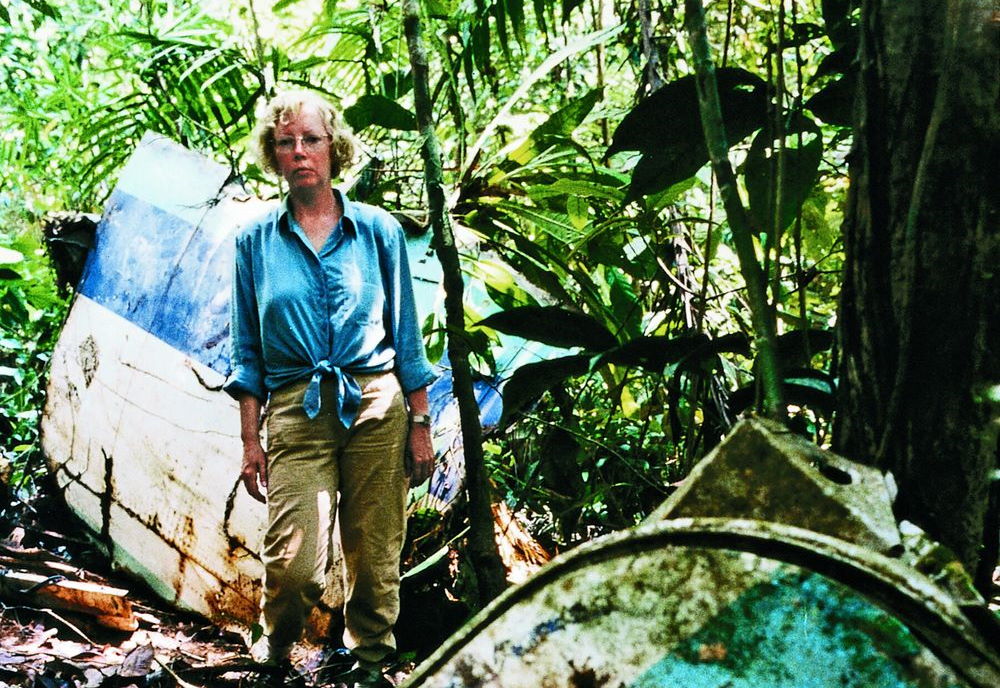
How Did Juliane Koepcke Survive the Jungle?
How did a high school girl manage to stay alive where most grown adults would perish? The answer lies in her upbringing. Juliane was the daughter of two biologists who ran a research station in the jungle. Her parents had spent years teaching her the basic rules of the woods. She knew which snakes were dangerous and which insects to avoid. She understood that panic kills faster than hunger.
Her father had given her one simple rule that saved her life: follow the water. A tiny trickle leads to a stream. A stream leads to a creek. A creek flows into a big river, and where there is a big river, you will eventually find people. Juliane stood up on shaky legs and listened closely. She heard the faint gurgling sound of running water nearby.
Juliane used her single shoe to test the mud in front of her. She looked out for stingrays hiding under the silt. When the water was too deep to walk, she floated on her back, letting the gentle current push her along. The water kept her cool under the heavy sun, but it also made her skin soft and weak. She relied on practical Survival skills to avoid dangerous reptiles and save her limited strength.
The rain fell every single day, soaking her to the bone. At night, it was bitterly cold. She could not sleep properly because bugs swarmed her skin and bit her open wounds. Maggots began to hatch inside a cut on her arm, causing awful pain. Yet, she kept moving forward every single morning, one slow step at a time.
Ten Days Along the River
By the fourth day, the candy was all gone. Juliane was drinking river water to keep her stomach full, but her body was fading fast. She heard the drone of rescue planes flying high above the canopy. She tried to yell, but the engines were too loud and the trees were too thick. The pilots could not see a single person beneath that ocean of leaves. She knew nobody was coming down to grab her. She had to walk out on her own.
Floating in the river brought new dangers every hour. Black caimans lay on the sandbanks, watching her float past. She knew from her parents that these giant reptiles usually do not attack humans unless they feel trapped, so she drifted by quietly without splashing. Piranhas swam in the dark currents beneath her feet, but she kept moving, hoping her scent would wash away in the current.
Her story has grown into an enduring piece of Oral history that people still share around campfires and dinner tables. The raw grit of that teenager shows what humans can do when they have no other choice. If you want to read more unbelievable accounts of people fighting against the odds, check our main collection of real survival stories.
On the tenth day, Juliane drifted around a bend in the river and saw something strange. It was a large wooden boat tied to a stake on the bank. At first, she thought she was seeing things because of her fever. She dragged herself out of the water, crawling on her hands and knees up the slippery mud. Right past the boat stood a small wooden shack with a palm roof.
The Rescue in the Forest
The shack had no walls, but it had an outboard motor and a can of fuel sitting in the corner. Juliane remembered how her father had treated an infected wound on their dog years before. She sucked fuel out of the can with a small tube and poured it straight into the infected cut on her arm. The pain was awful, but the fuel forced thirty maggots to back out of her skin. She pulled them out one by one.
She tried to rest on the rough floorboards of the shack. Late the next afternoon, she heard voices coming from the river. Three local Peruvian lumberjacks walked up to the shelter and stopped in shock. They saw a pale, injured girl sitting in their hut, looking like an apparition. Juliane spoke to them in clear Spanish, explaining who she was and what had happened to the plane.
The men fed her sweet milk and cleaned her remaining cuts. Early the next morning, they loaded her into their canoe and paddled down the river for seven hours to reach a small logging village. A pilot then flew her to a hospital, where she was finally reunited with her father. Out of ninety-one passengers and crew members on that flight, Juliane Koepcke was the only one who made it out alive.
Later in life, Juliane became a zoologist just like her parents. She returned to that same jungle to study bats and protect the land from loggers. She never forgot the lessons that kept her breathing, and she never took a single day for granted. When everything around you falls apart, do you have that quiet rule to guide your steps?


Comments
Post a Comment